Ignacio's Joy
8 Jul 2026 · 5 min lectura
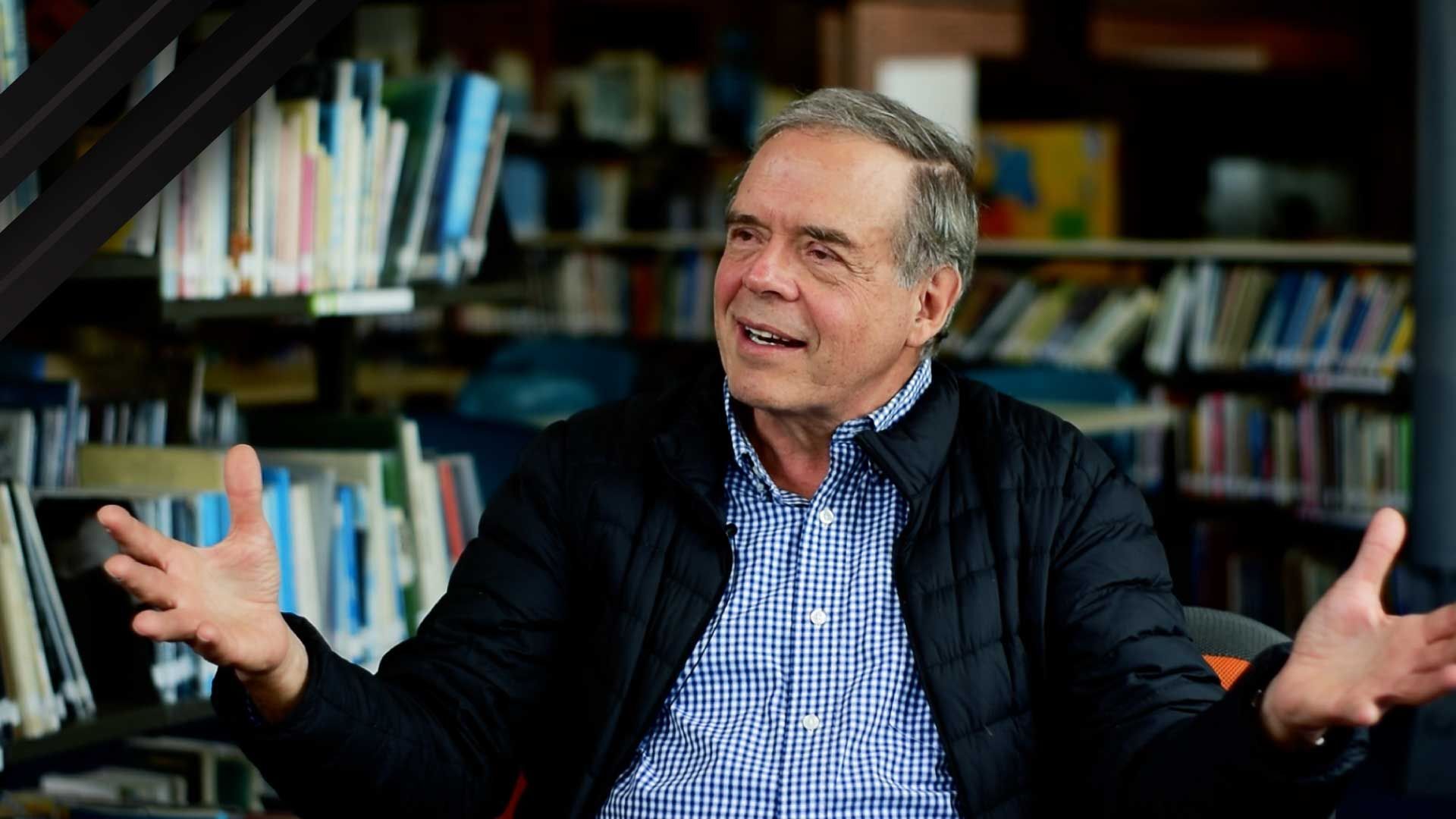
One of the most beautiful books I’ve read, and that I always recommend, is Virtudes Cercanas (Close Virtues), by Mauricio García Villegas. Instead of speaking about virtues in the abstract, it portrays eight friends and lets each one embody one: Carlos Gaviria representing eloquence, Jorge O. Melo representing wisdom, Marie Delhaye representing autonomy. His thesis is simple and powerful: virtues are not learned from treatises but through imitation, by seeing how those who possess them live.
Among the eight virtues, however, joy is not included. It is not an oversight: classical tradition never considered it a virtue but an emotion, a temperament. Something that happens to you, not something you practice.
I believe that classification is mistaken. Or, at least, I knew someone who disproved it. His name was Ignacio Durán and he died a few weeks ago. His joy was not a fortunate temperament: it was something he chose, cultivated, and sustained. Not the naive optimism of someone who doesn’t see problems, but the joy of someone who sees them all and decides to build anyway. A virtue.
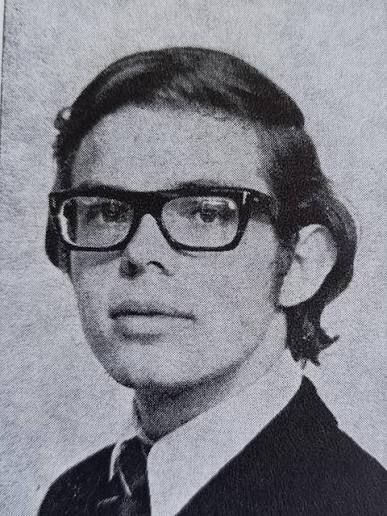
That joy ran through his entire life. It was there in the young San Carlos teacher who managed to get the school’s first computer—one that was programmed with punch cards—and who decades later still recounted it like a prank. It was there in the more than thirty years he dedicated to Colegio Los Nogales, a patient endeavor, without concern for recognition. And it was there in the crazy idea of bringing together the two worlds he knew inside out—Los Nogales and McKinsey—to create something that didn’t exist. From that idea, MentuLabs was born, which he accompanied from the board until the end.
It was best seen in difficult moments. Three years ago, during the company’s worst crisis, Ignacio called me every day. Not to review numbers: to ask how I was doing, and to repeat to me, with a serenity I didn’t have, that we would make it out. His joy was a form of courage, and it was contagious. We made it out, in large part, because he never stopped believing that we would.
It also appeared in small things. He didn’t miss a single year-end party with the team: he’d have his beers, enter the raffles, and sit down with each person to ask them what they did. And he kept it during his illness: in my last visit, he didn’t speak of what he was losing but of the pride in what we had built.
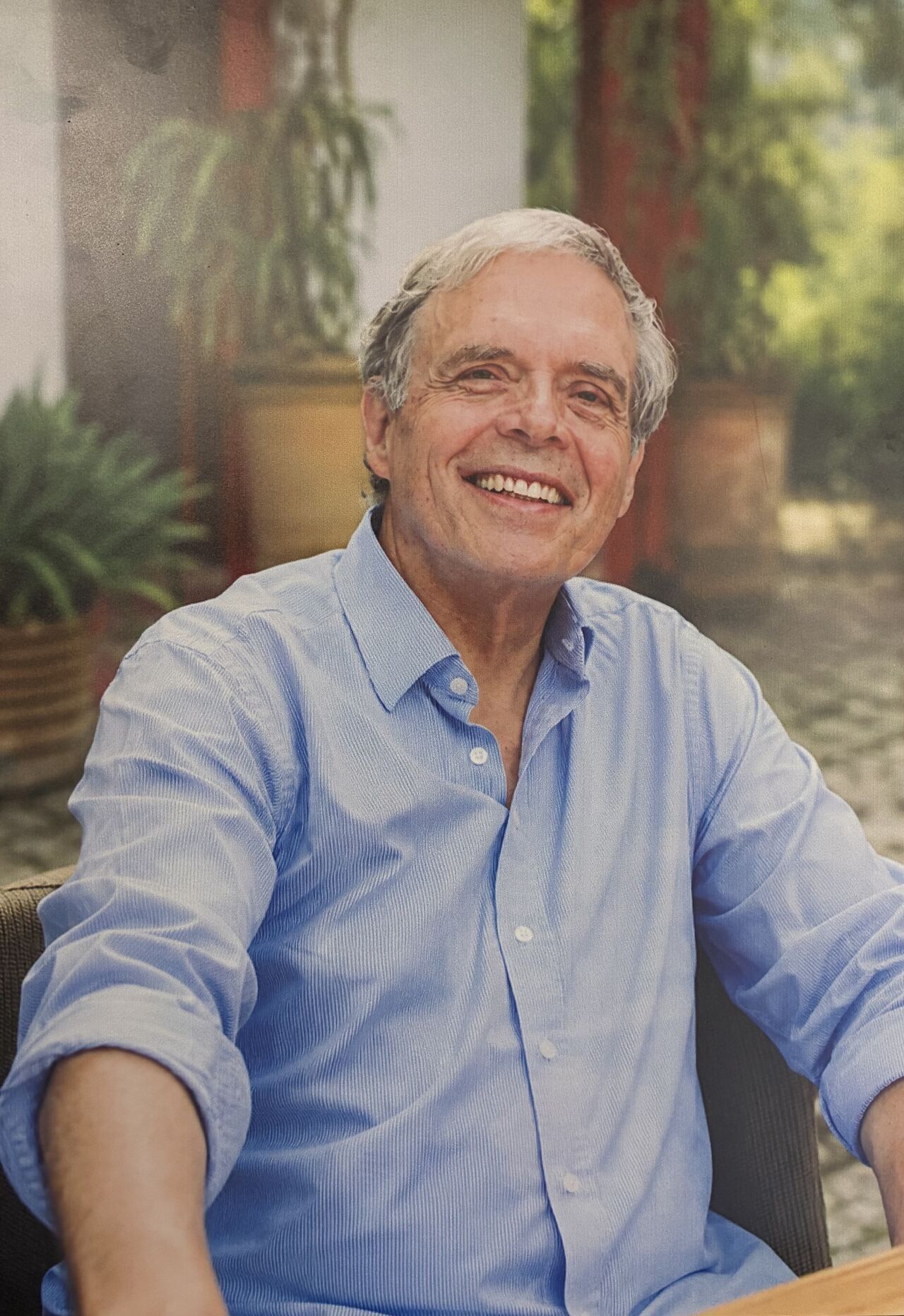
García Villegas says that virtues are contagious, and the proof is in “Nacho’s” family, as his grandchildren called him. You only need to spend a little time with them to understand that his greatest achievement was domestic: everything else came from that source.
We need more people like him: ambitious, but in service of something greater than themselves; who imagine what doesn’t exist and risk creating it, not with the anxiety of someone who gambles but with the joy of someone who builds. If virtues are learned through imitation, those of us who knew Ignacio have work to do.
Thank you, Nacho.
MentuLabs Team