← Back to Contents

Learner Variability

Students thrive when their experience is personal and meaningful. This tool helps you find research-based strategies that support the whole student, so you can create better learning experiences starting today.
Learner Variability

Resources to learn more

Learner variability is the rule, not the exception

Learner variability is the rule, not the exception

Access the content
Designing for Learner Variability

Designing for Learner Variability

Access the content

What is Learner Variability?

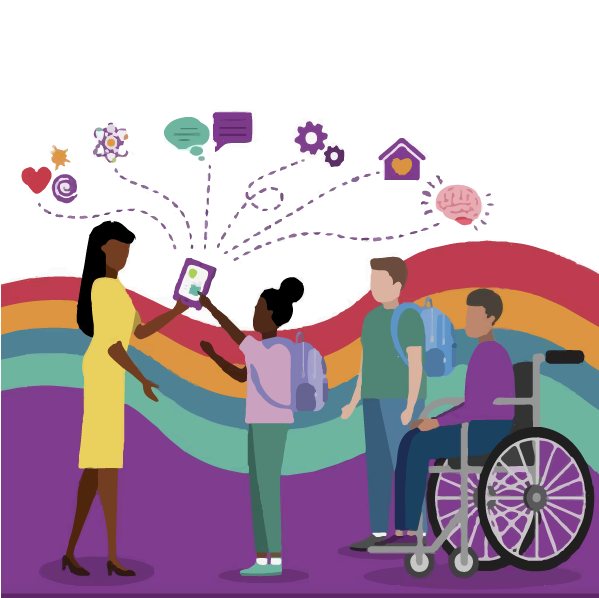
Learner Variability is the recognition that every student is a unique combination of strengths and challenges that are interconnected across their whole self. Understanding these connections, and how they vary by context, is essential to meeting the needs of every learner.

This approach breaks with the idea that education can be one-size-fits-all. Understanding student variability helps educators embrace both students' challenges and strengths, connecting practices to the goal of strengthening the learner as a whole person.

Throughout the site, we talk about factors and strategies. Factors are concepts that, according to research, influence the way people learn. Strategies are teaching and learning approaches that can be used to support people in how they learn best.

Navigate and discover

Choose a model

1. Choose a model

Identify the factors

2. Identify the factors

Get strategies

3. Get strategies

Mathematics

The Mathematics model is designed to support students in developing foundational math skills. It identifies key factors such as understanding the concept of number, flexible representation of operations, and perseverance in the face of challenges, offering research-based strategies. These tools allow educators to create personalized, inclusive experiences that foster every student's success in math, from the earliest stages through more advanced levels.

Language

The Language model addresses the key factors that influence the development of reading and writing skills, such as early language experiences, alphabet knowledge, and phonological awareness. It provides research-based strategies, such as direct phonics instruction, to support students in a personalized and inclusive way. This approach helps educators foster literacy success, adapting to the unique needs of every learner.

21st-Century Learner

The 21st-Century Learner model focuses on identifying and understanding the factors that influence the development of 21st-century skills in students. This model covers areas such as curiosity, critical thinking, collaboration, and communication, providing research-based strategies to help educators create more inclusive and personalized learning experiences.

Adult Learning

The Adult Learning model focuses on identifying the critical factors that affect adult learning, such as digital literacy, oral communication, motivation, and emotional well-being. This model provides research-based strategies to help educators create more inclusive and personalized learning experiences.